SMART+
Sensors that end up as scheduled work
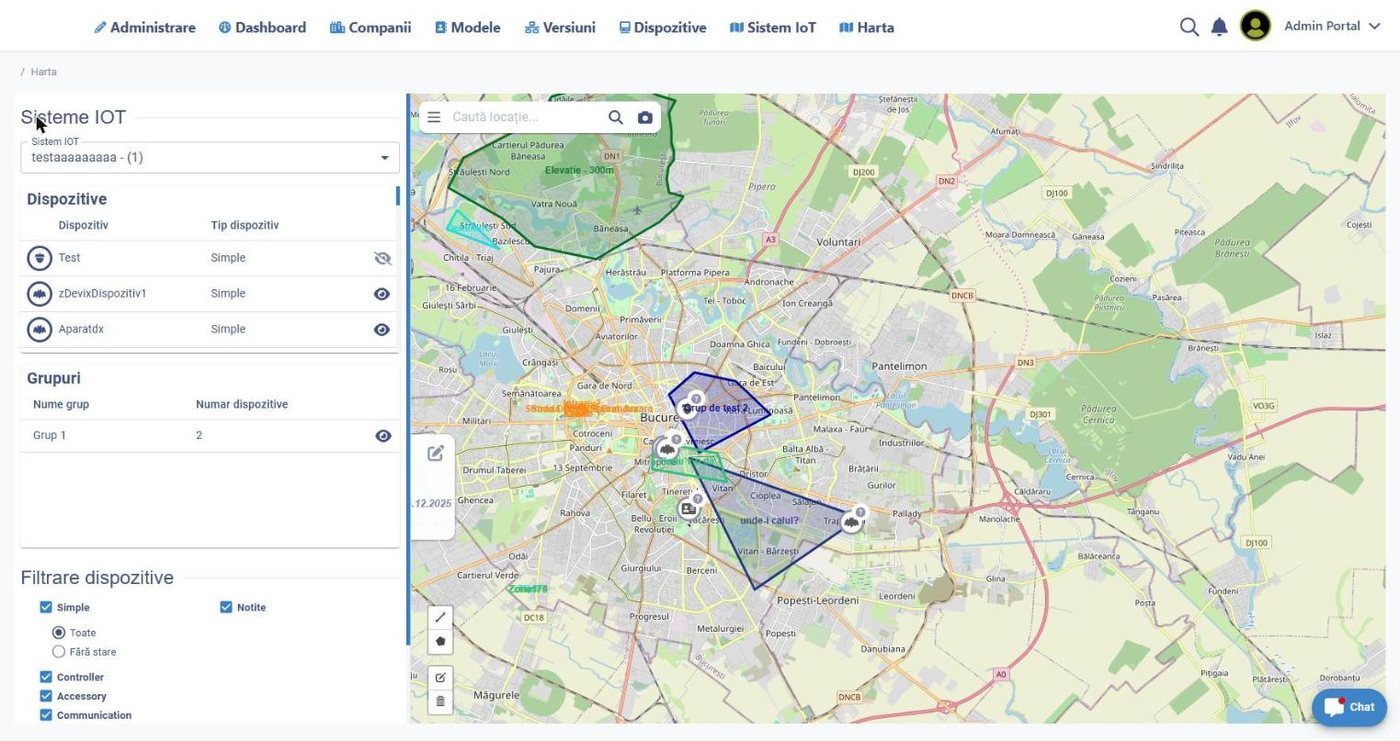
Connected devices across the city, registered as assets, with their readings feeding the operational processes that already exist.
Why it matters
Devices that create jobs, not dashboards
The value of a sensor network is not the data — it is the decision the data changes. Registering each device as an asset and routing its events into the work queue means a full container, a leaking main or a failed lamp becomes a job without anyone reading a dashboard.
Each device is an asset
Sensors are registered, maintained and calibrated like any other equipment.
Events routed into the work queue
A full container or a leaking main becomes a job.
Without anyone watching a screen
The decision does not depend on someone reading a dashboard.
What it covers
From the device to the work order
The network is managed as infrastructure, with its own maintenance and its own history.
Device registry
Every sensor as an asset: location, owner, battery, firmware and history.
Connectivity
LoRaWAN, NB-IoT, mobile or wired, with the gateways managed alongside.
Readings
Time series stored with the asset they belong to, at the resolution required.
Rules and events
Thresholds, patterns and absence of data, each raising the right event.
Work generation
Events opening cases or work orders in the standard queue.
Device health
Batteries, signal and silent devices reported as maintenance in their own right.
How it works
Registered, collected, ruled, closed
The loop ends where it should: with work done, and data that confirms it.
01
Register the device
A sensor is installed on an asset that already exists, and inherits its location and ownership.
02
Collect and store
Readings arrive through the configured network and are stored against the asset, not in a separate silo.
03
Apply the rules
Thresholds and patterns — including a device that stopped reporting — produce events with a severity.
04
Act and close the loop
The event becomes work; when the work is done, the readings confirm whether it fixed the problem.
Outcomes
What changes
Rounds driven by need, and interventions that can be checked against the data.
Collection on need, not on rota
Fill levels replace fixed rounds where it makes sense.
Faults found before complaints
A silent or abnormal device raises its own job.
Verified interventions
The data shows whether the repair actually worked.
Configured per administration
What is configured
- device types, and which assets they attach to
- networks, gateways and their coverage
- reading frequency and retention
- thresholds and event severities
- which events raise work, and for which team
- device health rules and replacement cycles
- security, provisioning and firmware updates
- what is published as open data
Connected to
The rest of the platform
- The asset register and its maintenance history
- Public works and field service
- Utilities operations and facilities
- Data and performance, for trends and reporting
Start where it pays
Discuss a sensor deployment that changes work.
We pick one measurable problem, register the devices against your assets, and show the rule, the job and the verification that follow.