Assets & infrastructure
A register that knows what happened to each asset
Public land, buildings, networks, vehicles and equipment, with ownership documents, valuation, condition and full history.
Why it matters
Condition and cost that stay current
An asset register is only useful if it is fed by the work. Here every inspection, repair, incident and payment attaches to the asset it concerned, so condition and cost are current rather than the result of an inventory exercise once every few years.
Fed by inspections and repairs
Every intervention updates the asset it concerned.
Incidents and payments attached
What an asset costs is visible without assembling it.
No inventory exercise every few years
The register is current because the work keeps it current.
What it holds
Everything the administration owns, and its record
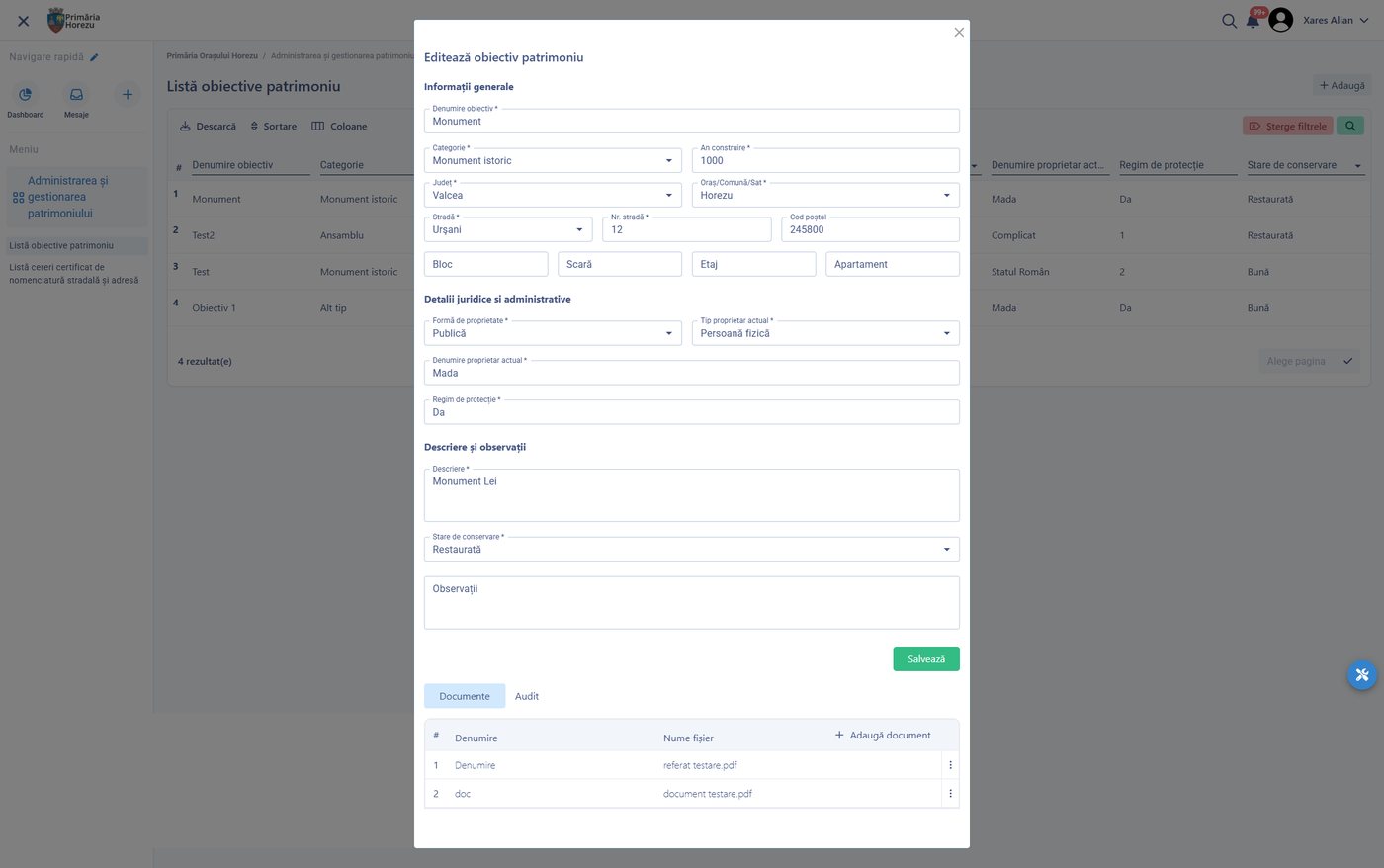
One record per asset, carrying its documents, its value and everything done to it.
Property and land
Parcels, buildings and their legal status, linked to the cadastral record.
Equipment and vehicles
Serial numbers, warranties, servicing and current holder.
Valuation
Acquisition, revaluation and depreciation, in the accounting classification used.
Condition
Scored from inspections and from the work performed, not from opinion.
Legal documents
Titles, leases, concessions and the obligations attached to them.
History
Every job, cost and incident, retained for the life of the asset.
How it works
Registered, fed, scored, used
The register is maintained by the operations, so keeping it current costs nothing extra.
01
Register with identity
Each asset gets a stable identifier, a location and the documents that prove what the administration holds.
02
Let the work feed it
Work orders, inspections and payments post back automatically, so the register does not need separate upkeep.
03
Score condition
Inspections and job history produce a condition picture that can be compared across the portfolio.
04
Use it to decide
Maintenance plans, disposals and investment proposals are built from the register rather than beside it.
Outcomes
What changes
Decisions about property and equipment that can be explained from the record.
A register that stays current
Because operations update it as a by-product.
Whole-life cost visible
Purchase, maintenance and disposal on one record.
Defensible disposals
Condition and history behind every decision to sell or replace.
Configured per administration
What is configured
- asset classes and the attributes each requires
- identification and labelling scheme
- valuation and depreciation rules
- condition scoring method
- which documents are mandatory per class
- custody and transfer between departments
- inventory and verification cycles
- integration with cadastre and accounting
Connected to
The rest of the platform
- Public works and field service, the sources of asset history
- GIS and the cadastral register
- Budget and accounting, for value and depreciation
- Facilities and utilities, which operate the assets daily
On your own portfolio
See the register on one asset class.
We load one class — buildings, vehicles or a network — with its documents and history, and show what maintenance planning looks like from it.