Citizen & business services
Consultation that ends in a visible decision
Public consultations, participatory budgeting and issues reported in the street, run as procedures rather than campaigns.
Why it matters
Contributions that get an answer
Participation loses credibility when contributions disappear. Here every proposal, vote and reported problem is a record with an owner, a status and an answer — and the result is published against the same identity rules the administration uses everywhere else.
Every contribution is a record
Proposals, votes and reported problems are kept, not collected.
An owner and a status
Someone is responsible for each one, and the state is public.
The same identity rules
Results are published under the rules the administration uses everywhere else.
What it covers
Six procedures, one identity
Each one ends in something published, not in a report nobody reads.
Public consultation
Draft decisions published for comment, with every contribution recorded and answered.
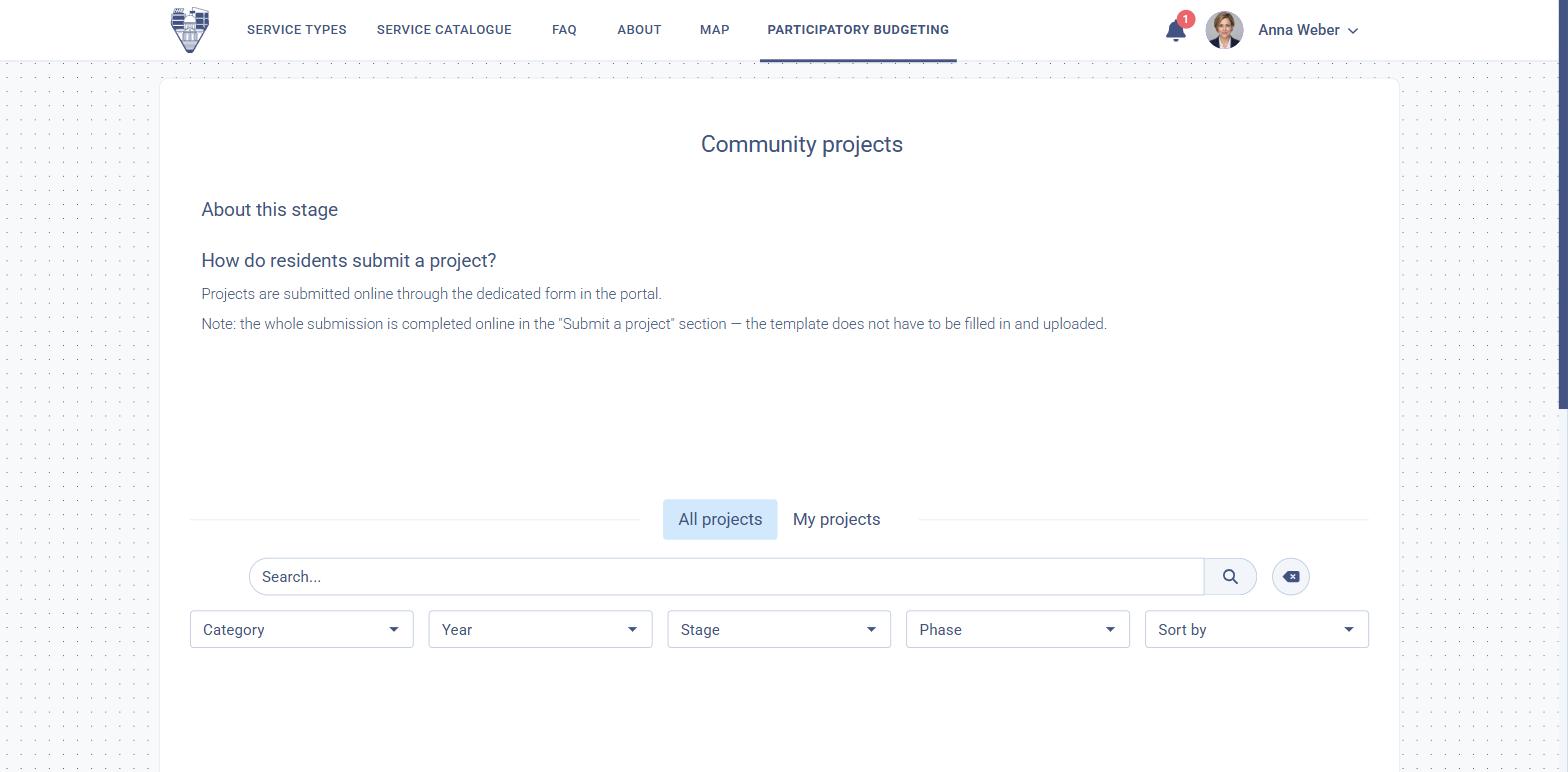
Participatory budgeting
Proposal, eligibility check, public vote, and the implementation that follows.
Report an issue
A pothole, a broken light or fly-tipping, reported with a photo and a location.
Surveys and polls
Structured questions to a defined audience, with results published as collected.
Verified participants
One person, one voice, using the same identity as every other service.
Published outcomes
What was decided, why, and what happens next — attached to the consultation.
How it works
Opened, collected, processed, published
The third step is the one most participation platforms skip.
01
Open the procedure
A consultation or a budgeting round is opened with its subject, its audience, its rules and its dates.
02
Collect contributions
Comments, proposals and reports arrive through the portal or the mobile app, tied to a verified participant and, where relevant, to a location.
03
Process, do not archive
A reported issue becomes a work order; a proposal is checked for eligibility and cost; a comment is answered by the department concerned.
04
Publish the outcome
Results, decisions and the reasons behind them are published, and the participants who contributed are notified.
Outcomes
What changes
Contributions that reach a department, and results people can check.
Contributions that reach a department
A report becomes scheduled work rather than an inbox item.
Results people can check
Votes, costs and decisions are published against the procedure that produced them.
Participation with integrity
Verified identity removes the duplicate-vote objection.
Configured per administration
What is configured
- The procedures offered, and who may take part in each
- Identity level required to comment, propose or vote
- Eligibility rules and cost thresholds for proposals
- Moderation rules and who applies them
- Which departments answer which subjects
- How reported issues become work orders
- What is published, when, and in which languages
- Retention and anonymisation of contributions
Connected to
The rest of the platform
- Public works and field service, where reported issues become jobs
- Council and decision management, for consultations on draft decisions
- Budget and capital projects, for what participatory budgeting funds
- Maps, so issues and proposals carry a location
A programme, not a campaign
Start with the procedure you are already obliged to run.
Consultation on draft decisions, or reported issues from the street — both end in something published.
Discuss a participation programme All citizen & business services